
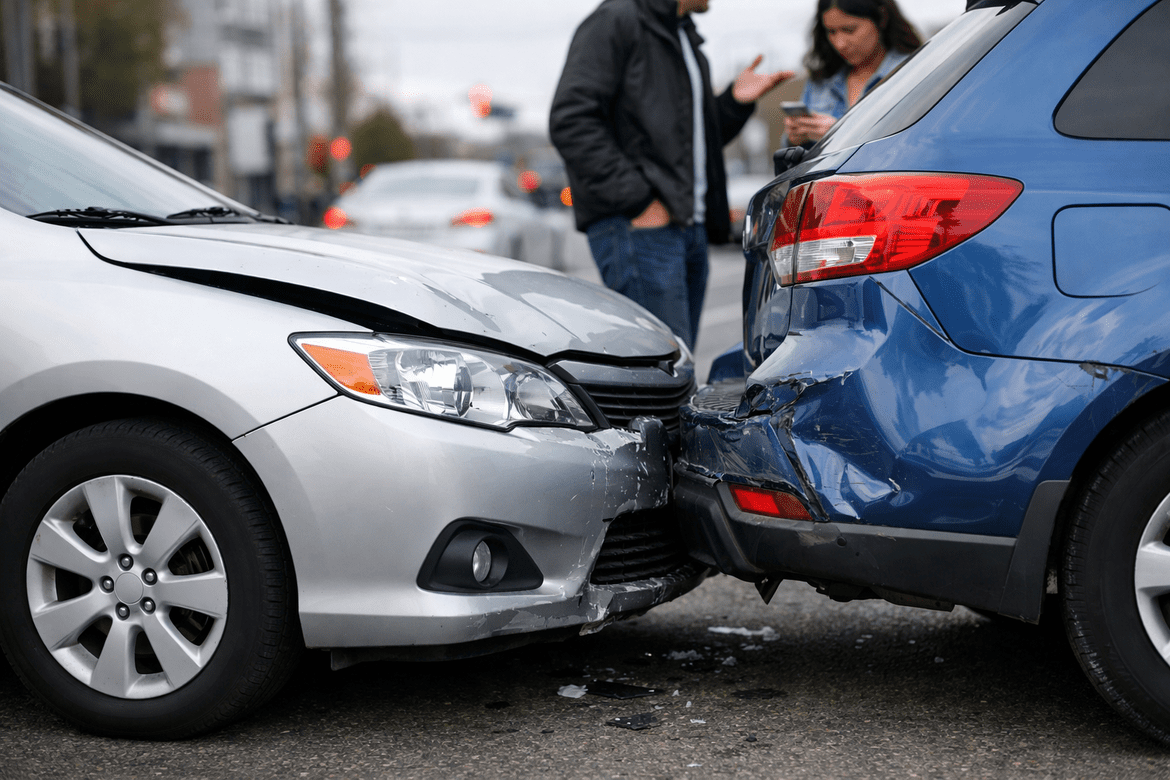
Getting involved in a car accident can be an incredibly distressing experience. However, being prepared and knowing how to handle the situation can help you navigate the shock and ensure that you have the necessary documentation to support your claim. While accidents can happen to any driver, whether their vehicle is parked or in motion, understanding and following these essential steps will assist you in dealing with such an unfortunate event.
- Assess Any Injuries: If anyone involved in the accident is injured, attend to their immediate medical needs and promptly call 911 for emergency assistance. It’s normal to feel shaken after such an event, so take a moment to catch your breath as well.
- Safely Park Your Vehicle: If you are driving when the accident occurs, carefully move your vehicle to the side of the road. If possible, make a note of the license plate number and description of the other vehicle(s) involved in the accident. This information can be particularly useful in hit-and-run situations, as it helps the police locate the responsible party. In cases where your vehicle is unattended and you discover damage later on, search for any available clues that could support your case, such as security camera footage.
- Call The Police: Once you have safely parked your vehicle, contact the police to file an official report, especially if there is another party involved. Having documentation of how the accident occurred is crucial. While some individuals may prefer to settle the claim privately without involving insurance, this approach carries certain risks. The other driver may not honor their verbal agreement, and without police involvement, it can become a situation of conflicting statements.
- Exchange Information: Always exchange insurance identification cards with the other driver(s) involved. Make sure to note down their name and phone number as well. It’s convenient to take a picture of their insurance card using your phone. Additionally, record the license plate number, year, make, and model of their vehicle.
- Take Pictures And Gather Witness Information: If there are witnesses willing to share their perspective on the accident, jot down their name and phone number. Your insurance company may want to speak with them later. Taking photographs of the scene and any vehicle damage provides your insurance company with additional evidence and details.
- Call Your Insurance Company: In some cases, the damage from a collision may be minimal, prompting you to consider whether it’s necessary to file a claim or obtain an estimate before contacting your insurance company. However, if anyone is injured or if significant damage has occurred, it’s best to notify your insurance company immediately. They can guide you through the claims process efficiently, especially if you have already gathered photographic evidence and provided all the relevant information.
While we hope you never have to experience a car accident, being prepared will empower you to handle the situation effectively and with greater confidence. Remember, promptly following these steps and having the necessary documentation can make a significant difference in resolving your claim efficiently.
